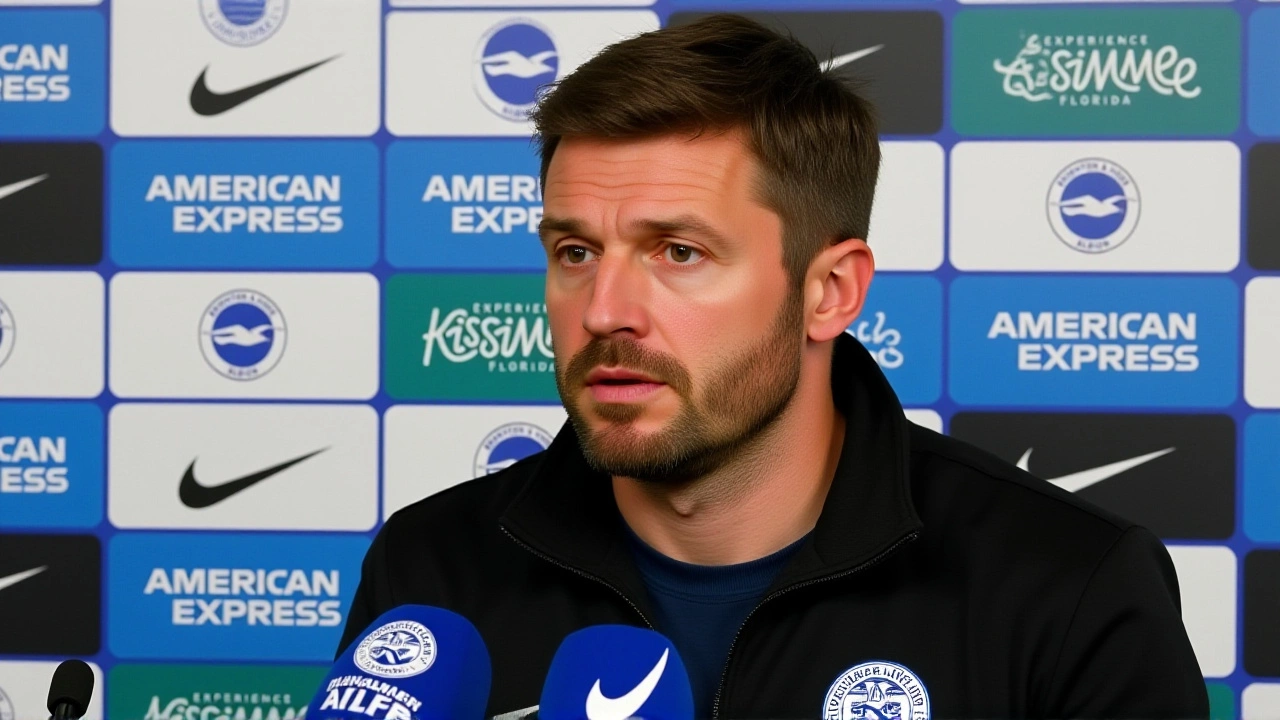
When Michael Carrick, manager of Manchester United, looked at the 2026-27 calendar, he didn't just see a season. He saw a marathon with hurdles placed every few miles. The Red Devils are set to play a minimum of 48 competitive matches this year—a stark jump from the 40 they managed in 2025-26. Why? Because their return to the UEFA Champions League after a two-year absence means eight extra European games are baked into the schedule.
Here’s the thing that has fans and pundits alike holding their breath: those European nights aren’t isolated events. They’re immediately followed by domestic heavyweight clashes. We’re talking about playing Manchester City at home just days after the first Champions League matchday, then traveling to face rivals Leeds United shortly after the second. It’s a schedule designed to test depth, rotation, and nerve.
The Congestion Crisis: 48 Fixtures vs. 40
The numbers don’t lie. In 2025-26, United played 40 matches across all competitions. For 2026-27, that baseline jumps to 48. That’s an 8-match increase before you even count domestic cup runs or potential knockout stage extensions in Europe. According to reports from the Evening Standard, this surge is directly tied to the new Champions League league-phase format, which guarantees eight group-stage-style matches regardless of early performance.
But it’s not just the volume; it’s the velocity. The fixture list places high-intensity Premier League games in the immediate wake of midweek European outings. This isn’t theoretical fatigue—it’s a logistical nightmare for any squad without significant depth. Carrick, who took over permanently after guiding the team to third place last season, will need to rotate his XI more aggressively than ever before.
Derby Days After European Nights
Let’s look at the specific dates that have everyone talking. The Evening Standard highlights a sequence of “massive derby clashes” that follow Champions League matchdays:
- September 12, 2026: Manchester United host Manchester City at Old Trafford. This comes just two days after Champions League Matchday 1 (Sept 8-10).
- October 17, 2026: An away trip to Leeds United. This follows Champions League Matchday 2 (Oct 13-14) by only three days.
- October 24, 2026: Home game against Bournemouth, following Matchday 3 (Oct 20-21).
- November 7, 2026: Home clash with Aston Villa, right after Matchday 4 (Nov 3-4).
The Manchester derby on September 12 is particularly brutal. Pep Guardiola’s side will be fresh from a weekend off, while United’s players may still be recovering from a European campaign opener. Historically, derbies are decided by margins of inches and energy levels. Tired legs lose titles.
Opening Act: Promoted Sides and Early Tests
Before the European chaos fully kicks in, United start their Premier League campaign with two newly promoted teams. ESPN and Sports Illustrated confirm that Hull City visits Old Trafford on August 22, 2026, followed by Ipswich Town at home on August 29. While these might seem like easy wins, they serve as crucial tuning forks for Carrick’s system.
Interestingly, there’s some confusion in the initial reports regarding the Hull fixture. One ESPN headline suggested United would host Hull, but the detailed fixture list shows Hull City v Manchester United, implying an away game. Given the traditional opening day structure, it’s likely an away trip to the MKM Stadium. Either way, it’s a physical test to start the season.
The Autumn Gauntlet: Liverpool, Arsenal, and Chelsea
If September is tough, October and November are punishing. Beyond the Leeds and City games, United face a relentless run:
- October 10: Tottenham Hotspur (home)
- October 31: Chelsea (away)
- November 21: Liverpool (away) at Anfield
- December 19: Arsenal (away) — a tricky trip before Christmas
The Liverpool away fixture on November 21 stands out. It falls between Champions League Matchday 5 (Nov 24-25) and the winter break period. Playing at Anfield is never easy, but doing so while managing European commitments adds a layer of complexity. The return leg against Liverpool is scheduled for January 23, 2027, placing another massive derby in the thick of the post-holiday schedule.
What’s Next for Michael Carrick?
Carrick’s task is clear: build a squad capable of handling 48+ games without burning out key players. This means strategic signings in midfield and defense, where stamina is paramount. It also means accepting that rotation isn’t optional—it’s survival.
The broader impact? Expect fewer title challenges if the squad depth isn’t elite. But for a club returning to Europe’s top table, the priority is stability and progress. The 2026-27 season won’t be pretty, but it could be historic if managed correctly.
Frequently Asked Questions
Why does Manchester United have 48 fixtures instead of 40?
The increase comes from qualifying for the UEFA Champions League for the first time since 2023-24. The new league-phase format guarantees eight additional European matches compared to a domestic-only campaign, pushing the total competitive fixtures from 40 to at least 48.
Who is Manchester United’s manager for the 2026-27 season?
Michael Carrick is the permanent manager. He took over after leading the team to a third-place finish in the previous season, which secured their Champions League spot. His tactical approach will be critical in managing player rotation across such a congested schedule.
When is the Manchester derby scheduled?
The first Manchester derby of the 2026-27 season takes place on September 12, 2026, at Old Trafford. This fixture is particularly challenging as it occurs just two days after Champions League Matchday 1 (September 8-10), leaving little recovery time for United’s squad.
Which other big rivals does United face early in the season?
Besides Manchester City, United face Leeds United away on October 17, Liverpool away on November 21, and Arsenal away on December 19. These fixtures are clustered around Champions League matchdays, creating a high-pressure environment throughout the autumn months.
How does the Champions League schedule affect domestic performance?
Historically, heavy European schedules lead to fatigue-related injuries and dropped points in the Premier League. With eight UCL games interspersed with league matches, Carrick must rotate his squad heavily. Failure to manage minutes effectively could result in a lower league finish despite European success.